
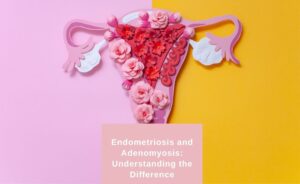
Endometriosis and Adenomyosis: Understanding the Difference
Endometriosis and Adenomyosis are like twins. Similar, yet different. They can both cause painful, life-sucking period pains and heavy bleeding (along with a tsunami of other symptoms). But while one is an introvert, the other is an extrovert. Let us explain. The difference between adenomyosis and endometriosis While both endometriosis
Heavy Bleeding and Adenomyosis: what you need to know
Have you been told for years that your periods are simply “bad?” The truth is, it may be more than just a ‘bad’ period. Heavy bleeding is often a sign of Adenomyosis. Every month, the severe, stabbing cramps and heavy bleeding arrive like a storm. Soaking through clothes, disrupting meetings,
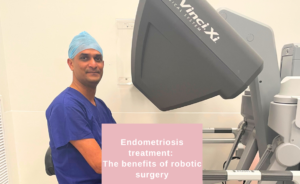
Endometriosis treatment: the benefits of robotic surgery
This post was originally published on 16th March 2024 and updated on 23rd March 2026 So, you’ve been diagnosed with Endometriosis. What now? With all the questions mulling in your mind, one of the key questions and conversations you’ll come across is: What are the treatment options available? To answer
Ovarian cancer: 4 most common symptoms often overlooked
Updated: February 2026 Ovarian cancer is often known as the silent killer due to the symptoms being much the same as those caused by less serious medical conditions, such as bloating. It’s also important to note that early-stage ovarian cancer rarely causes any symptoms. A diagnosis is often made in
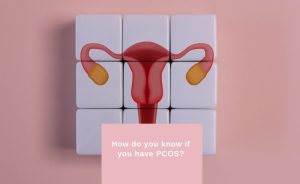
How do You Know if You Have PCOS? Vital Symptoms to Watch Out For.
Ever found yourself wondering, “Could I have PCOS?” You’re not alone. Polycystic ovary syndrome (PCOS) is common among Australian women, affecting 12-18% of women in their reproductive age. It is a result of hormonal imbalances within the endocrine system. These imbalances cause excessive production of testosterone while negatively affecting levels
Pre-pregnancy- 5 empowering essential steps you need to take
So, you’re starting to feel ready to embark on the journey of parenthood. Those butterflies you feel in your heart, and the thought of ‘I want one too,’ every time you see a baby, reassures you that you are ready to welcome a healthy baby into your life. Now’s the