
Updated: February 2026
Ovarian cancer is often known as the silent killer due to the symptoms being much the same as those caused by less serious medical conditions, such as bloating. It’s also important to note that early-stage ovarian cancer rarely causes any symptoms. A diagnosis is often made in advanced stages (3 and 4).
According to statistics by Cancer Australia, 1,929 new cases of ovarian cancer were diagnosed in 2025, with a 49% chance of surviving at least 5 years after diagnosis.
So, what are the early signs you can look out for? Let’s take a look.
Early symptoms of ovarian cancer
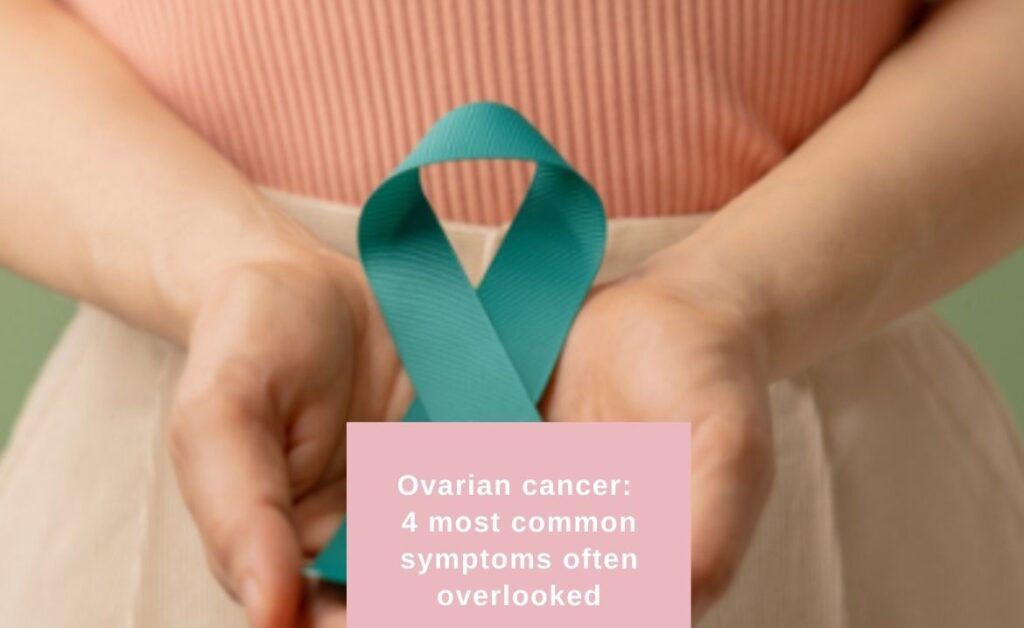
Feeling like you’re bloated all the time and just want to wear loose clothes? Living with this discomfort is not pleasant. And, let’s be honest, ovarian cancer isn’t the first place your mind will go. But as we mentioned above, the signs and symptoms of ovarian cancer are often very vague. Recent research has identified a few symptoms to be the most common:
- Persistent bloating.
- Feeling full after eating a small amount of food.
- Abdominal/pelvic pain.
- Needing to urinate often/urgently.
Other symptoms to look out for include:
- Nausea
- Indigestion
- Changes in bowel habits
- Back pain
- Excessive fatigue
- Pain during sex
- Sudden weight loss
- Unexplained sudden changes to your menstrual cycle (bleeding during periods or after menopause).
All this can seem confusing. So, we suggest you keep a diary of your symptoms and consider the following factors of cause.
The Most Common Causes and Risk Factors
Whilst the true cause(s) of ovarian cancer are not known, there are a few factors that can increase the chances.
- Increasing age: whilst ovarian cancer can happen at any age, one of the major risk factors is ageing. The average age of diagnosis is 64.
- Hereditary: for instance, if you have a strong history of ovarian or breast cancer within the family
- Gene mutations: having inherited faulty gene mutations in the BRCA1 or BRCA2 genes.
- Hormone Replacement Therapy: especially with long-term use and high dosages.
- Smoking: along with other health issues and cancers, this increases the chances of ovarian cancer.
- Not having children: women who have not had children can be at a slightly higher risk of developing ovarian cancer.
Diagnosis and Treatment of Ovarian Cancer
You may have guessed the answer to this question – currently, there is no screening available to detect early stages of ovarian cancer. However, logging your symptoms to monitor any changes is the first step you can take. Also, if your gut instincts are telling you that ‘something just doesn’t feel right,’ then visit your doctor. Afterall, advocating for yourself and your health is the first powerful step you can take.
Initial tests for diagnosis you can expect are:
- CA125 blood test (cancer antigen 125)
- Pelvic examination
- Ultrasound (Transvaginal and Abdominal)
- Biopsy completed via laparoscopic surgery or an open surgery – This is the only way your doctor can make a definitive diagnosis; by collecting a tissue sample.
If your results are positive and you are diagnosed with ovarian cancer, there’s no doubt that you’ll have many questions about the best, most successful treatment option for you.
Depending on your circumstances, your doctor may recommend one or a combination of ovarian cancer treatment options. These can include:
- Ovarian cancer surgery
- Chemotherapy
- PARP inhibitor treatment
- Radiation
- Palliative care
When to see a doctor
While less serious conditions can cause many of the mentioned symptoms, it’s important to seek medical advice from your doctor if any of the symptoms persist. This will allow your doctor to carry out the necessary tests to determine what is going on.
If you have any of the above persistent symptoms and are concerned, contact our friendly staff at Wollongong Obstetrics and Gynaecology to book an appointment with Dr Kothari. Our team will support you every step of the way.