
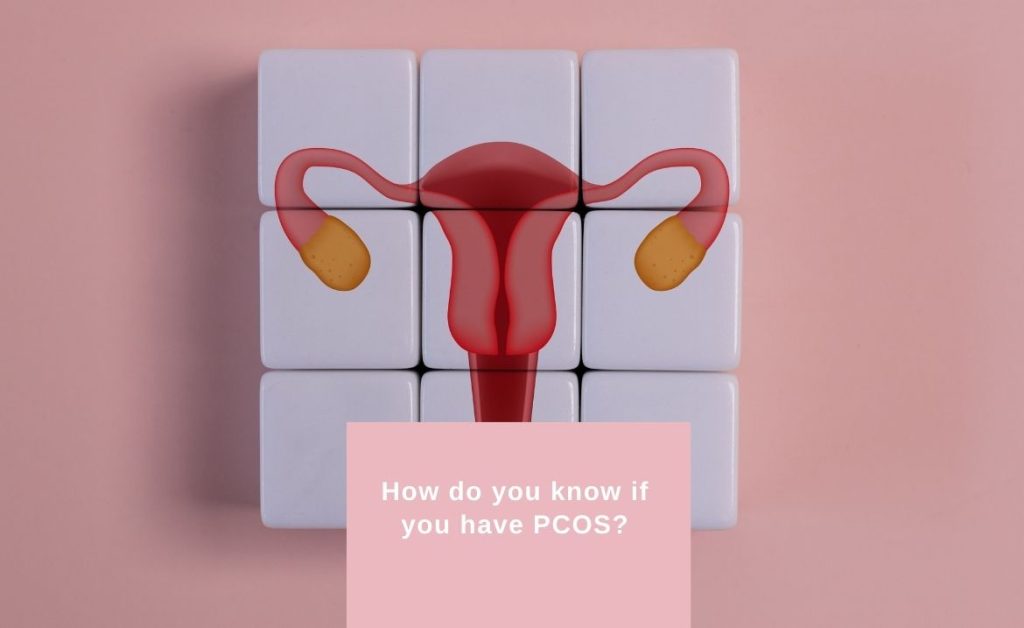
Ever found yourself wondering, “Could I have PCOS?” You’re not alone. Polycystic ovary syndrome (PCOS) is common among Australian women, affecting 12-18% of women in their reproductive age. It is a result of hormonal imbalances within the endocrine system. These imbalances cause excessive production of testosterone while negatively affecting levels of the Follicle-Stimulating Hormone (FSH) and Luteinizing Hormone (LH).
While it can feel overwhelming to figure out what’s going on with your body, knowing the signs and what to do next can be a huge relief.
So, to answer your question, let’s take a quick look at the symptoms to watch out for.
Symptoms to Take Note Of
Although PCOS affects 1 in 8 women in Australia, it often goes unnoticed and misdiagnosed. The reason is that the symptoms can vary from woman to woman. Some individuals may experience mild or few symptoms, while others may experience more severe symptoms, and these symptoms can vary at different stages of life.
The most common symptoms to keep an eye out for are as follows.
- Acne
- Weight gain
- Excess hair growth (especially on your chin, back, and chest)
- Hair thinning or loss
- Irregular periods
- Fertility issues
- Enlarged ovaries
- Difficulty losing weight – obesity
- Sleep apnoea (brief periods of not breathing whilst asleep)
- Fatty liver
- Insulin resistance
- Anxiety/depression
As you can see, the symptoms are so varied and are easy to dismiss, as every woman’s experience is different, and having acne or irregular periods doesn’t always mean it’s PCOS.
A tip we have is to keep a diary of all your symptoms, and if you notice something isn’t quite right, then speak to your doctor.
How is PCOS diagnosed?
So, you may wonder how PCOS is diagnosed, especially when recognising the symptoms is so mind-bogglingly complex. As you may have guessed, the tricky part is that there’s no single test for PCOS. Your doctor will likely chat about your symptoms and medical history, may order some blood tests to check hormone levels, and possibly send you for an ultrasound to see if there are cysts on your ovaries. You may also undergo a vaginal ultrasound to check the thickness of the uterus lining.,
Treatment Options for PCOS
The good news? There are many treatment options in Australia. These include:
Lifestyle changes – eating a balanced diet and regular exercise can help, especially for managing weight and insulin resistance. Get plenty of sleep and focus on your emotional and mental well-being.
Medications – your doctor may recommend medication to help regulate your periods, tackle acne, or manage excess hair growth. If you wish to get pregnant, your doctor may prescribe clomiphene citrate or follicle-stimulating hormone (FSH) injections for ovulation induction.
Other medications – Depending on your circumstances, your doctor may also suggest anti-diabetic drugs, weight loss medication, and drugs to help with anxiety/depression.
When to See a Doctor
The bottom line: if you suspect you might have PCOS, book an appointment today. Early diagnosis and support can make a world of difference. You’re not alone.
For further guidance, we recommend you check out the following resources.
PCOS support resources:
Women’s Health Information Hub